Paying for the Fire: Where Your Money Actually Goes at a High-End Teppanyaki Counter
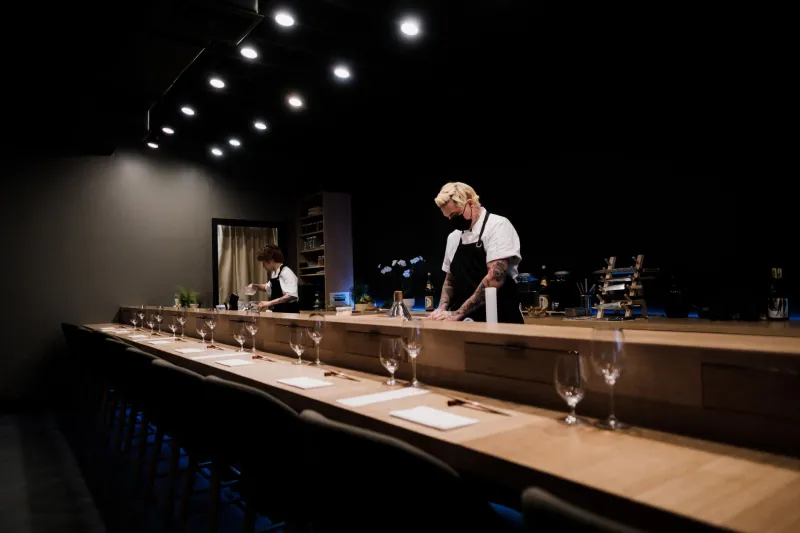
Every few weeks, a diner sits down at my counter, glances at the menu card, and asks the question that hovers over every luxury tasting menu in America: is this actually worth two hundred dollars?
I have come to respect the question. It deserves better than the defensive answer most chefs give. So let me do something unusual — let me open the ledger.
The Four Things You Are Buying
Strip away the ceremony, and a premium teppanyaki dinner is composed of four distinct purchases.
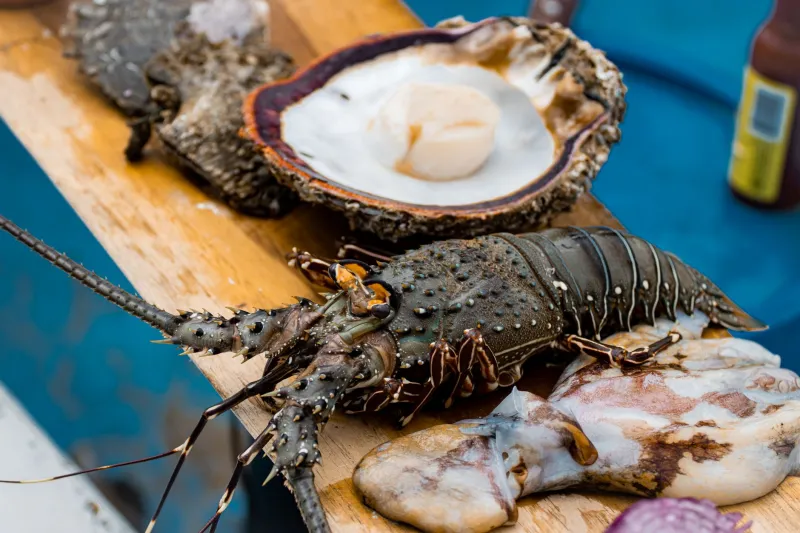
First, the ingredients. At a serious counter, this is typically 30 to 35 percent of the ticket. A-grade wagyu, diver scallops flown from Hokkaido, seasonal fish selected that morning — these carry real costs, including air freight and import duties that most diners never consider. When you pay for omakase, you are paying for someone else's relationships: the importer who answers the phone at 5 a.m., the fishmonger who sets aside the best loin before it hits the market.
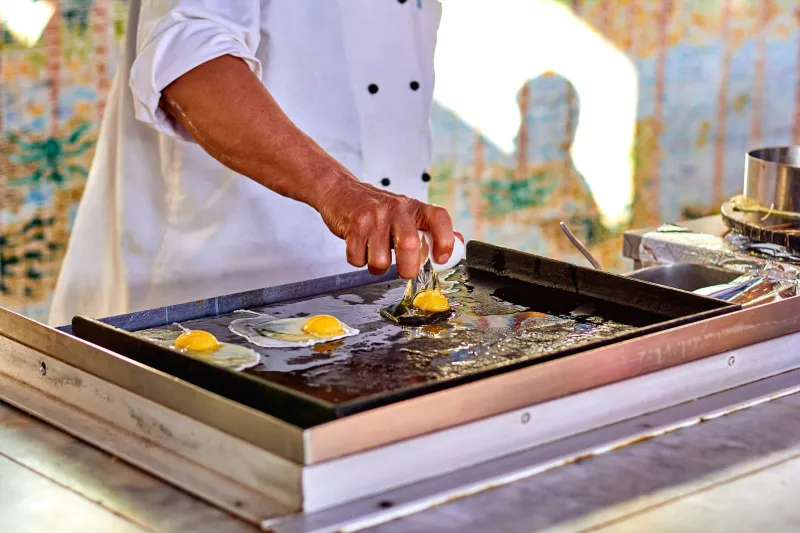
Second, the labor you can see. Teppanyaki is unusual among fine dining formats in that the cooking is the show. That chef in front of you has likely spent a decade learning heat control on steel — how a griddle's temperature drifts across its surface, how a piece of garlic behaves at 180 degrees versus 220. You are not tipping for flair alone; you are paying for thousands of hours of judgment compressed into a two-hour performance.
Third, the labor you cannot see. Prep work, butchery, sauce reduction, rice cooked in batches throughout service. Roughly 60 percent of the work happens before you arrive.
Fourth, and least discussed: real estate. A teppanyaki counter occupies prime square footage with expensive ventilation and custom steel. In cities like New York or San Francisco, that infrastructure alone can add $15 to $25 per cover.
Where the Value Actually Lives
Here is my honest assessment: the mid-tier omakase, priced between $95 and $140, frequently delivers better value than the flagship menu.
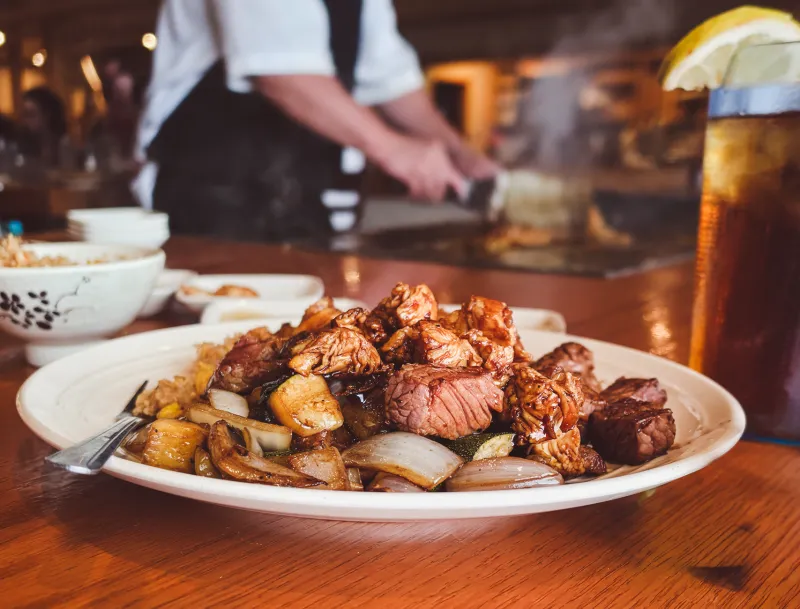
Why? Because the top tier often buys rarity, not quality. The jump from excellent domestic wagyu to a specific Japanese prefecture's beef is real but marginal; the jump in price is not. Meanwhile, the mid-tier menu lets the kitchen showcase technique — the true heart of teppanyaki — without anchoring the meal to trophy ingredients.
Practical Advice for Booking
- Book the first seating of the week. Tuesday and Wednesday counters see the freshest deliveries and the most relaxed pacing. Saturday service at 8 p.m. is where the experience feels most transactional.
- First-timers: take the middle tier. You will not miss the apex ingredients, and you will get the full arc of the meal.
- Regulars: ask for the off-menu course. Chefs reserve their most personal dishes for diners who surrender the menu without conditions.
- Skip the supplement-heavy bottomless add-ons. They dilute pacing, and pacing is half of what you are paying for.
The Verdict
Is it worth it? If you value craft performed in real time, unhurried hospitality, and ingredients you could not reasonably source yourself — yes, with reservations about the very top tier. If you want to leave full for $200, teppanyaki omakase will disappoint you, and honestly, it should.
You are not buying dinner. You are buying a seat at the fire. Decide accordingly.