Six Ingredients Quietly Reinventing the American Teppan Counter
For decades, American teppanyaki ran on a reliable formula: premium beef, garlic, fried rice, a flourish of the spatula. There is nothing wrong with that canon. But visit the best counters in Los Angeles, Chicago, or Austin today, and you will notice something shifting on the steel. A quieter, more precise Japanese pantry has arrived.
Here are six ingredients driving the change — what they are, why they belong on iron, and how to bring them into your own kitchen.
1. Hokkaido Scallops
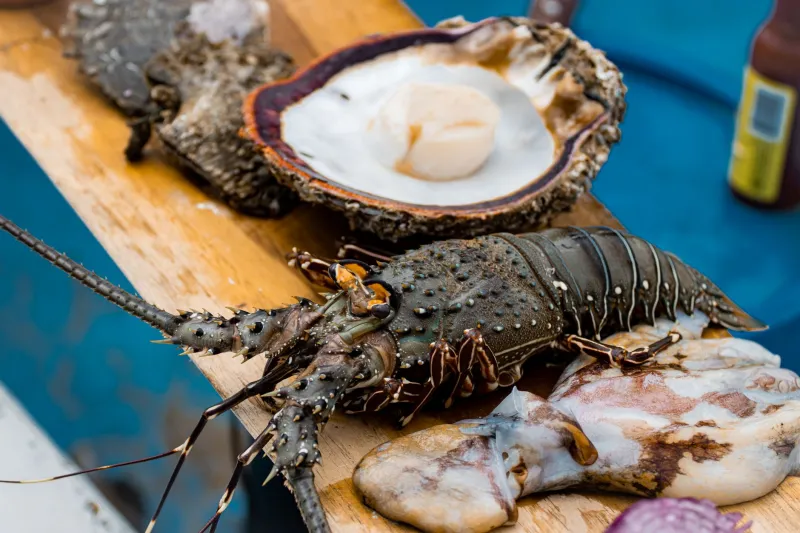
Cold-water scallops from Japan's northern island are larger, sweeter, and denser than most Atlantic product. That density matters on a griddle: they hold their moisture through a hard sear instead of weeping out. Look for "sashimi-grade" frozen scallops from Hokkaido at Japanese markets like Mitsuwa or H Mart; thaw slowly, dry thoroughly, and sear hard in a barely-oiled pan.
2. Yuzu Kosho
A fermented paste of chiles, yuzu zest, and salt, yuzu kosho comes in red and green versions. A pea-sized dab melted onto a hot slice of pork or chicken breast delivers citrus heat that vinegar-based sauces cannot match. American specialty grocers and online retailers stock it reliably; in a pinch, blend lemon zest with Fresno chile and salt.
3. Aged Ponzu
Fresh ponzu is bright; ponzu aged a year or more in barrel turns rounder, deeper, almost sherry-like. On the griddle, it becomes a finishing sauce for grilled fish and vegetables, added off-heat so its aromatics survive. Several US importers now sell barrel-aged versions — worth the premium over supermarket bottles.
4. Single-Origin Sea Salt
Japanese producers like those on the Noto Peninsula evaporate seawater over open flame, yielding salts with a faint sweetness and smoky edge. On teppanyaki, where seasoning is often nothing more than salt, pepper, and timing, the salt is not a garnish — it is the dish. Any flaky finishing salt works at home, but taste them side by side and you will understand the obsession.
5. Negi (Japanese Green Onion)
Thicker, sweeter, and more aromatic than standard scallions, negi caramelizes beautifully on steel. Griddle cooks mince it finely into a mound served alongside beef, where the residual heat releases its oils. Regular scallions substitute acceptably; seek out negi at farmers markets in summer for the real thing.
6. Sansho Pepper
Ground from the Japanese prickly ash tree, sansho delivers a citrusy tingle rather than chili heat — the same tingle as Sichuan peppercorn's cousin. It is the traditional partner for grilled eel, and it transforms rich wagyu by cutting through fat. Find it bottled at Japanese grocers; use it within months of opening, as its aroma fades quickly.
Why This Matters
None of these ingredients exist to complicate. Each one solves a specific problem the iron griddle creates: intense, dry heat that demands ingredients with structure, sweetness, or aromatic punch. That is the quiet lesson of modern teppanyaki — the steel does not change, but the pantry keeps evolving.