Fire as an Icebreaker: The Business Case for the Teppan Counter
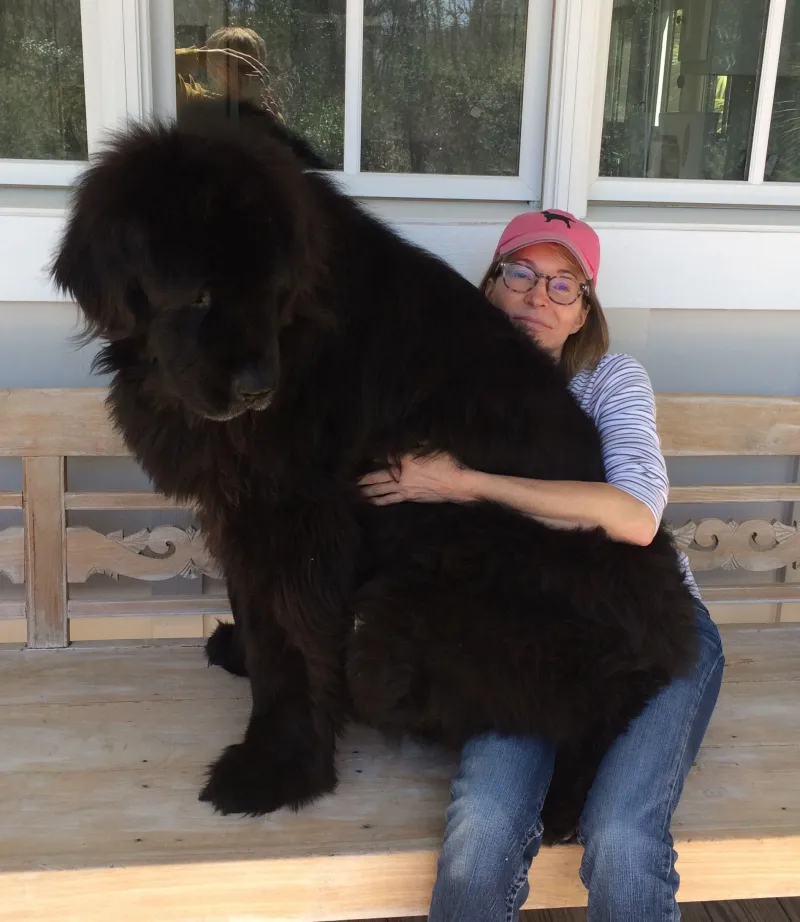
Photo: business colleagues seated around teppanyaki griddle table in upscale restaurant, chef cooking, via i.pinimg.com
Ask a sales director in a mid-sized American city where the fourth-quarter client dinner is going, and the answer is increasingly not the steakhouse. It is the teppan counter: a horseshoe of eight seats around four feet of hot steel, a chef with a spatula, and a fixed sequence that ends, reliably, at a known hour.
This is not a fashion. It is a set of practical solutions to problems that business dinners have always had, and it deserves a sober assessment rather than a testimonial.
The Menu Problem, Solved by Subtraction
Every host knows the small paralysis that follows the arrival of the menus. Who eats what. Whether the guest of honor will order the second-cheapest thing out of politeness. Whether anyone will admit to not knowing what a particular cut is.
A teppan omakase removes the decision entirely. The chef decides. The sequence arrives. Nobody performs frugality, nobody performs extravagance, and the conversation does not stall at the moment it is least able to afford a stall. For a table of mixed seniority, some of whom have never eaten in a restaurant of this kind, that is a genuine service.
The Leveling Effect of Shared Steel
The deeper advantage is structural. A griddle is a shared surface, and the meal is a shared event. The junior associate and the client's chief financial officer are watching the same flame. The vendor and the buyer are both waiting on the same scallop.
The teppan counter contributes something most business dinners struggle to manufacture: a common object of attention that is not the deal. The chef's work occupies the silences. It gives the table a place to look that is neither a screen nor a face, which is precisely what an early-stage client relationship requires.
Pacing as a Management Tool
A teppan dinner is unusually predictable in duration. Ninety minutes is typical; two hours is a long version. Courses are cooked in order, in front of you, and the sequence cannot be rushed by a late arrival or derailed by a kitchen backup in the way a tasting menu sometimes can.
For a host with a train to catch, a second table booked, or a guest who needs to leave by nine, that predictability is worth more than any wine list. The evening has a shape, and everyone can see it.
The Privacy Ledger
Here the assessment turns. The teppan counter is a poor room for confidential conversation.
You are seated with strangers. The chef is three feet away and working. The table is loud enough to conceal a murmur and quiet enough that a raised voice carries. Nothing about the format supports the delicate middle stretch of a negotiation, when a number needs to be said quietly and once.
The workaround is to treat the counter as the second half of an evening rather than the whole of it: the substantive conversation elsewhere, the meal as the pleasant conclusion. Hosts who understand this use the teppan well. Hosts who attempt to close a deal across the iron usually regret it.
Dietary Arithmetic
A group of eight at a teppan counter will, with statistical regularity, include one vegetarian, one guest avoiding gluten, and one who does not eat shellfish. The format handles this unevenly.
Vegetables and rice are easily adapted. Shellfish avoidance is manageable if the chef is told in advance. Gluten is the difficult one, because soy sauce is everywhere in a teppan kitchen, and a shared griddle cannot be made sterile mid-service. A host who collects dietary information at the invitation stage, rather than at the table, is doing the single most useful thing available to them.
The Shape of the Table
Seating is a genuine instrument here, and it is often overlooked. The counter puts everyone in a line, which flattens hierarchy and prevents the two-person side conversation that a round table encourages. That is an advantage when the goal is group cohesion and a disadvantage when the goal is a private word with one guest.
Where the room allows, ask for the corner seat for the most senior guest, and seat the host opposite rather than beside, so that the host can read the table.
The Expense Question
American teppan omakase pricing has widened considerably. Mid-market rooms commonly fall in the eighty-five to one hundred fifty dollar range per person before beverage; ambitious rooms in major cities run well above two hundred. Add wine and the gratuity and a table of eight becomes a real line item.
Against that, the format is efficient. There is no extended cocktail hour, no third round ordered out of restlessness, no late-night relocation to a bar. The meal begins, it concludes, and the party disperses. Hosts who have run the arithmetic often find the teppan cheaper than the steakhouse evening it replaced, at least in total.
A Short Playbook for the Host
- Book the entire table. A shared griddle with strangers changes the room in ways you cannot control.
- Collect dietary information when you send the invitation, and pass it to the restaurant at least seventy-two hours ahead.
- Choose the early seating for a weeknight; the room is calmer and the chef has more time.
- Pre-arrange the beverage — a pairing, or two bottles chosen in advance — so that nobody is handed a list at the moment the conversation is going well.
- Tell the chef who the guest of honor is. Most will quietly direct the best piece of the evening accordingly.
- Skip the speech. The griddle is already doing the talking.
What It Cannot Do
A teppan counter will not host a sensitive negotiation, will not accommodate a guest with severe airborne allergies, and will not flatter a client who wants to be seated in a hushed corner booth.
What it will do is put eight people around a fire for ninety minutes, remove every decision that does not matter, and leave the ones that do to the table. For a great many business dinners in America in 2026, that is exactly the assignment.